

Jesse Salah Ovadia
Scholar | Author | Researcher
Dr. Jesse Salah Ovadia is an Associate Professor in the Department of Political Science at the University of Windsor, Canada. Prior to this, he served as a Lecturer in International Political Economy at Newcastle University in the UK. Dr. Ovadia holds a PhD and MA in Political Science from York University and a BA(Hons) in Development Studies and Politics from Queen’s University, both in Canada.
An Academic and Practitioner with International Ties.
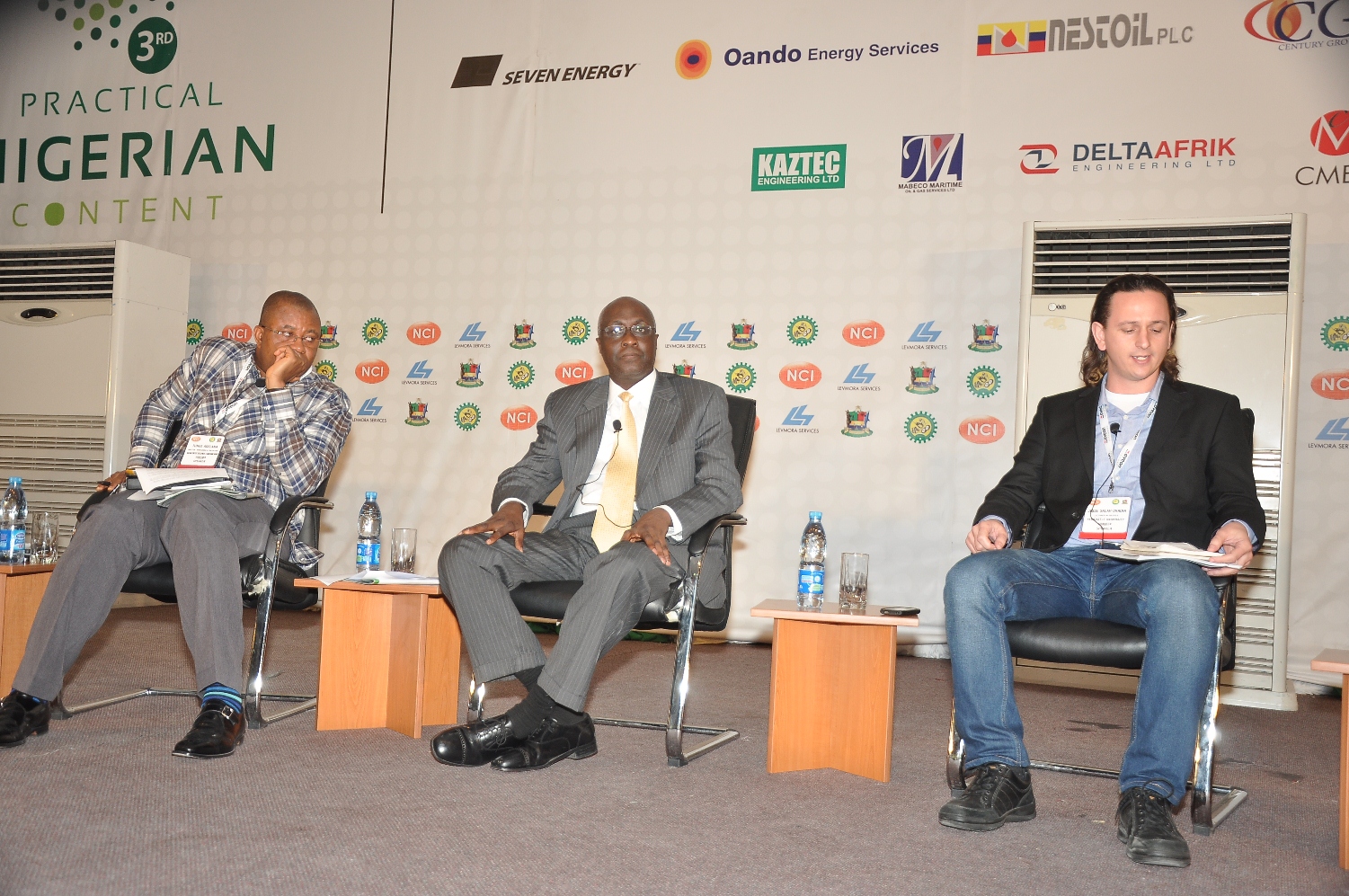
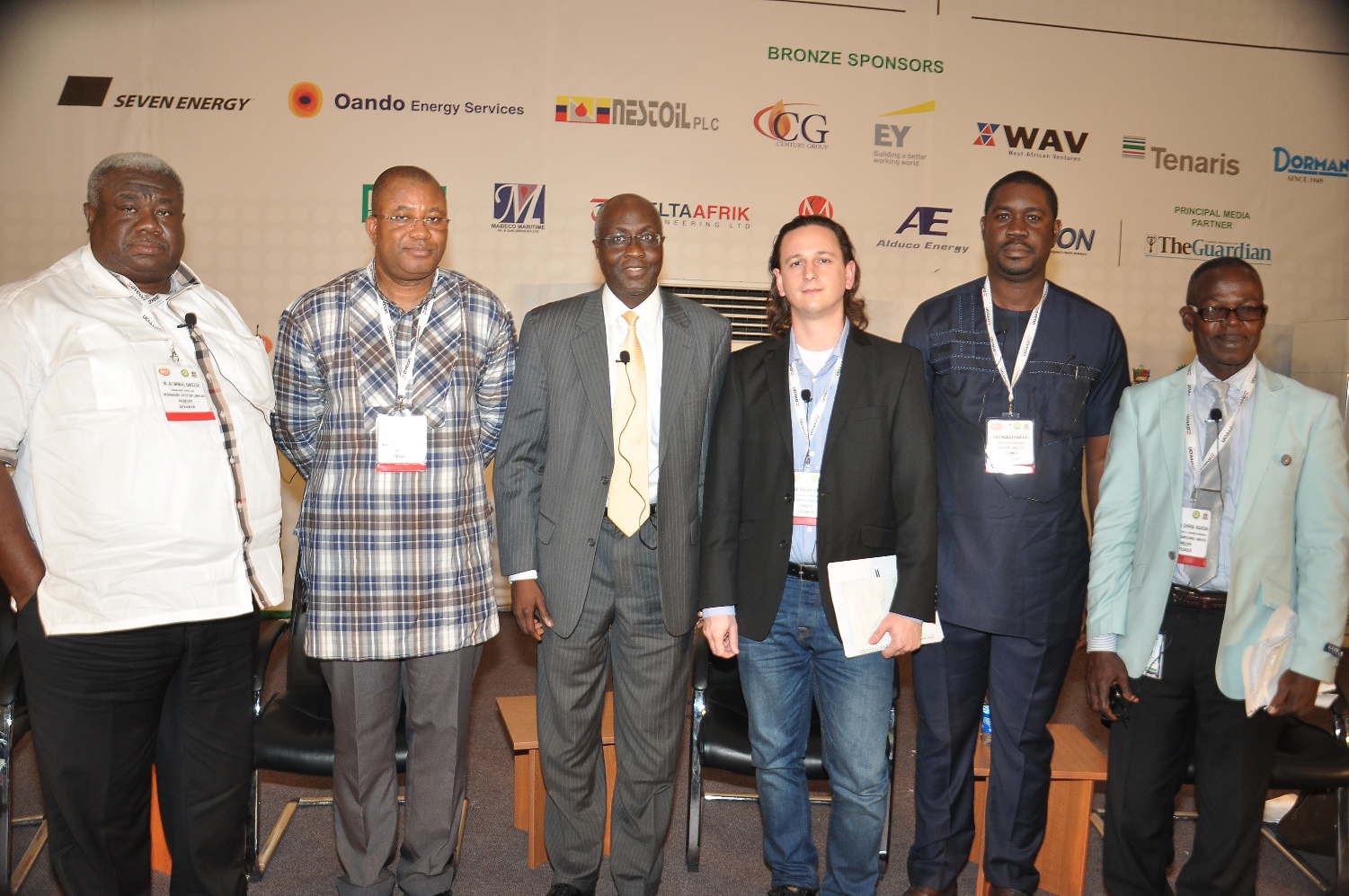
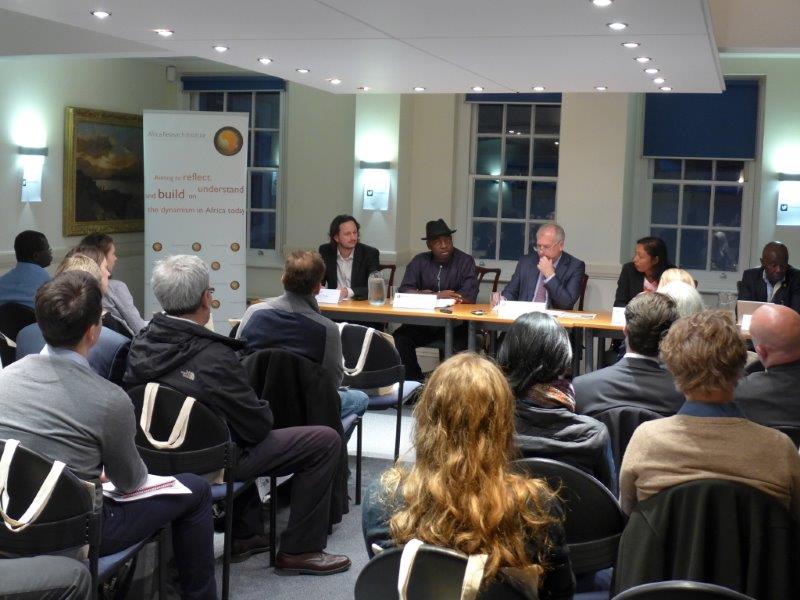
I am motivated to see my work benefit a variety of academic and non-academic users. As part of my continuing engagement with policy makers, I have spoken at several petroleum industry events, including the Global Local Content Council’s Annual Summit (2014 & 2015), World NOCs Local Content Conference (2015), and the Global Local Content Summit (2014 & 2015) as well as the Practical Nigerian Content Conference in Yenagoa, Nigeria (2013 & 2015). I have also had impact on these events through taking an informal advisory role in their planning and design.
In the spring/summer of 2016, I was an expert in the ELLA Programme South-South Online Learning Alliance on Local Content in Oil and Gas. More information can be found here or through the welcome video available here.
My research has been cited in several reports by international and non-governmental organisations such as the United Nations, Natural Resource Governance Institute and Columbia Center for Sustainable Investment. Additionally, I am aware of over a dozen academic courses where my work is required reading. As part of my non-academic engagement, I am a member of the advisory group of the World Bank’s Community of Practice on Extractives for Local Content Development, and facilitated an eDiscussion for the group in October 2015 on ‘Local Content Legislation: Challenges, Opportunities and Country Cases’. I am also a member of Transparency International’s Anti-Corruption Research Network and Global Expert Network and an Extractive Industries Consultant on the UNDP Experts Roster.
In order to open up new pathways for research impact, I have participated in several meetings of the OECD Policy Dialogue for Natural Resource-Based Development and had a demonstrable impact on the final draft of the Framework on Public-Private Collaboration for In-Country Shared Value Creation from Extractive Projects as well as on the Typology on Corruption Risks in Extractives.